A goal in English commentary is a moment. A goal in Arabic commentary is a release.
This is not a stylistic difference. It is a register difference. English football commentary descends from a tradition that values restraint, observation, and analytical neutrality. The commentator describes the action, with peaks of emotion reserved for the most exceptional moments.
Arabic football commentary descends from a different tradition. The language itself is built for poetic intensification. The structure of the sentence accommodates repetition, parallel construction, and escalating rhythm in ways English does not. When the goal is scored, the commentator does not just describe it. The commentator performs it. The performance is itself part of how the goal is consumed.
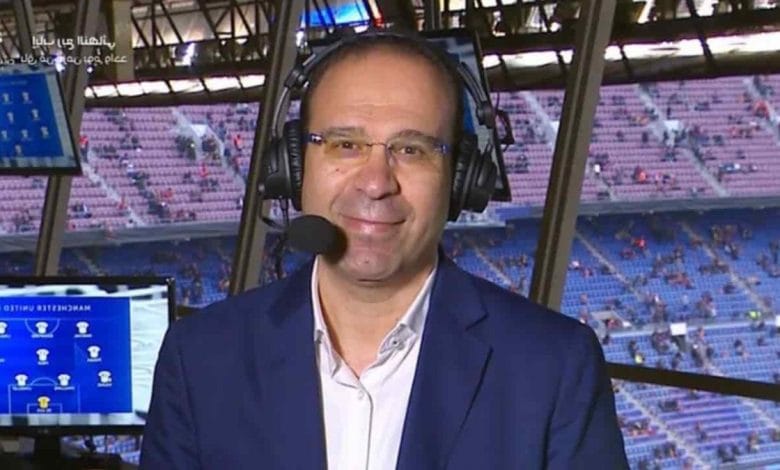
This is most visible in the commentary of Issam Chaouali, of Hafidh Eddraoui, of Faraj Ibrahim. Watch a Champions League goal called by any of them. The call is its own piece of art. The match is the occasion for the call. The call is, in some real sense, the artefact that survives the match.
The European football industry does not understand this register. Arabic-language broadcasts get treated as translations of European ones, when they are actually doing something different. The football is the same. The reception is not.
If you want to understand how football is loved in the Arab world, do not watch the matches. Listen to the commentary.