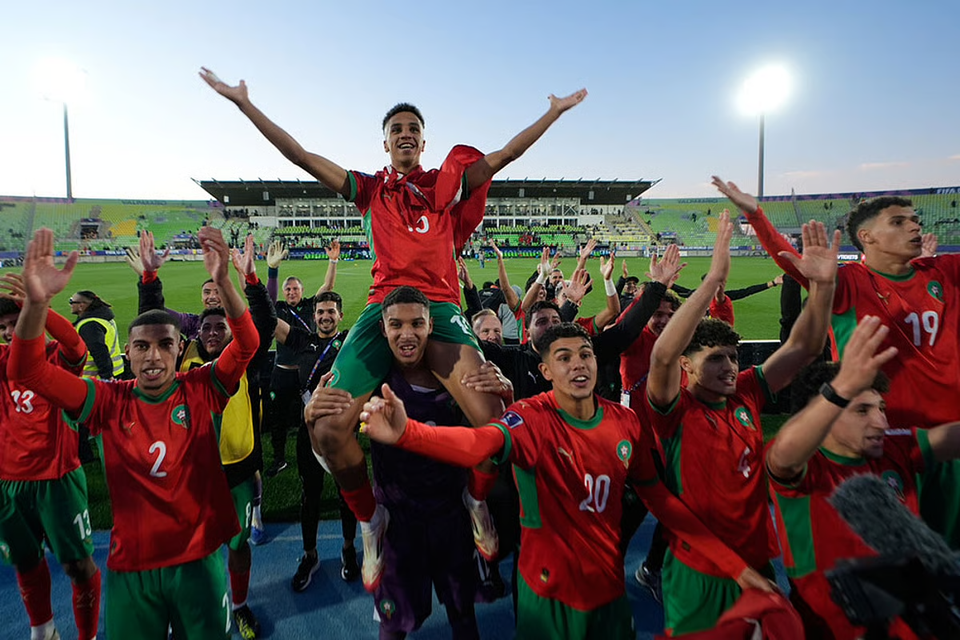
The semi-final run was not a Cinderella story.
Cinderella stories are about luck. What Morocco did in Qatar was the result of fifteen years of structural investment, an academy system that produced multiple generations of players ready to compete with European tournament regulars, a coach who understood his squad better than most international managers understand theirs, and a national project that had been building toward exactly this moment.
The European press treated it as charming. The framing was condescending without being recognisable as condescension. "Africa's first" was repeated as if Morocco needed permission to exist on that stage. "Underdog" appeared in every report despite the squad having more players from Europe's top five leagues than three of the eight quarter-finalists.
It was also a political event. The flags at Moroccan matches were not just Moroccan flags. The crowds in Doha were not just Moroccan crowds. The semi-final run made visible a diasporic football identity that connected North Africa, France, Spain, the Netherlands, and Belgium. The match against France in the semi-final carried specific weight that the French press could not bring itself to discuss directly.
Morocco did not lose to France. Morocco lost to refereeing decisions and to the structural advantages that come with being the defending champion. The football itself was closer than the result.
Two years on, the story is settling into something useful. Morocco is a serious football country now. Not in a token sense. In every sense the word can mean. That is the lasting consequence of 2022, and the press is still catching up to it.