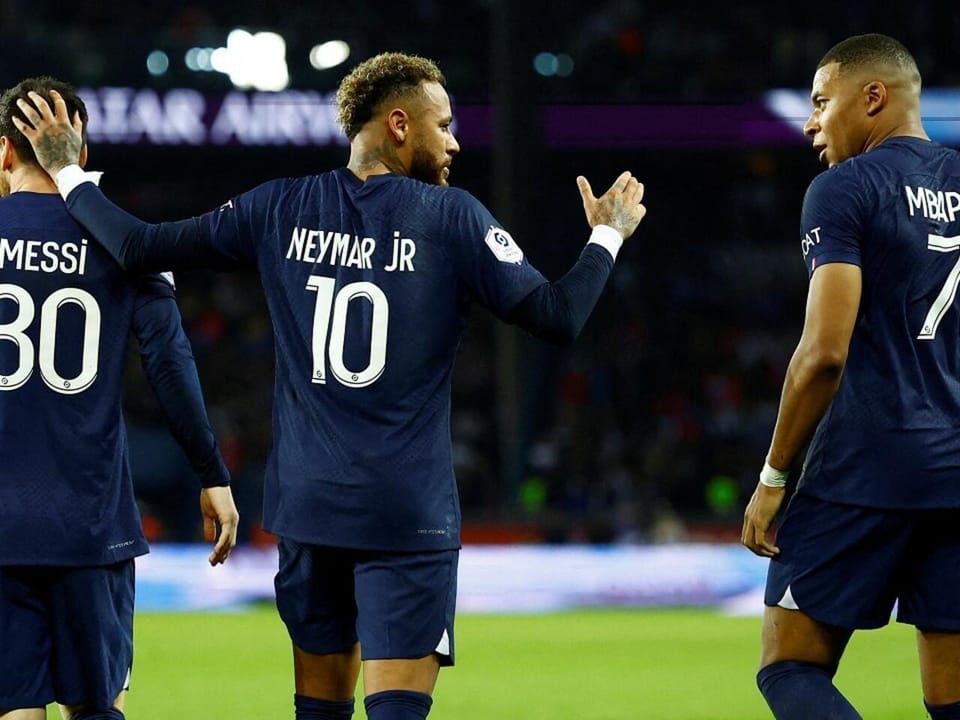
For a decade the club was a global brand owned by a Gulf state. This season, somehow, it looks French.
The squad that won the Champions League last May was unusual. Dembélé was the symbolic centerpiece. Désiré Doué was the breakout. Bradley Barcola was the season-long contributor. Warren Zaïre-Emery was the captain in waiting. The talent base was French, mostly young, mostly developed at PSG or signed from Ligue 1 clubs.
This is not nostalgia. This is a structural shift. The QSI era is now fifteen years old. The era of buying global icons in their prime is over, partly by choice and partly because the market no longer permits it. The new model is closer to what Ligue 1 clubs were doing twenty years ago, with a more luxurious budget. Develop and retain. Buy targeted. Build around the core.
The football this season is different. There is more pressing. The collective shape is clearer. Luis Enrique gets credit for the structure. The structure is also what the squad now permits, because the squad is younger and less ego-driven than it has been in a decade.
What this does to the club's identity is more interesting than the football. PSG used to be a club where French players were the supporting cast. Now they are the spine. The atmosphere in the stadium is different. The relationship between the team and the city is different. The ultras have stopped treating the team as a brand and started treating it as theirs again.
The Qatari ownership has not changed. The money has not stopped. But the project has shifted in a way the European press has been slow to register. PSG is no longer mainly a soft-power instrument for Doha. It is now also, for the first time in fifteen years, a recognizable French football club.
That distinction matters. The football looks different when you see it.