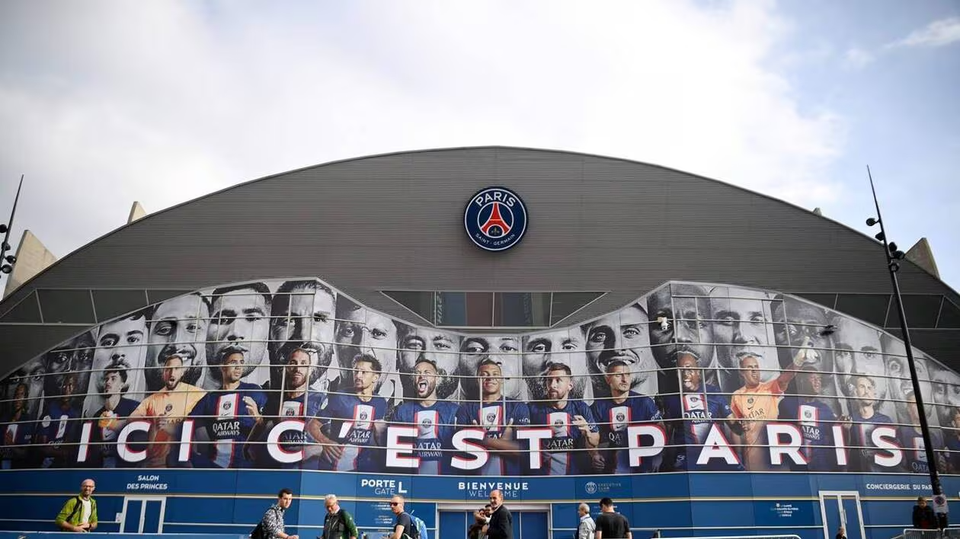
A club represents something. PSG is unsure what it represents.
This is not new. The club has been wrestling with its own identity since Qatar Sports Investments took over in 2011. Before that, PSG was a midsize French club with a passionate but troubled fanbase, frequent ownership turbulence, and a sporting identity rooted in Parisian local culture.
Then it was bought. Then it became a global brand. Then it stopped being a Parisian club in any meaningful sense and started being a club that happens to play in Paris.
The fans noticed. The ultras noticed. The neighbourhoods noticed. The brand consultants did not.
This is also a story about Paris. The city is not sure what it represents either. It is at once the capital of a republic that struggles to integrate its banlieues, the centre of a culture industry that exports French identity globally, and the home of a population that is more diverse than the official self-image acknowledges.
PSG mirrors all of this. The team is more multinational than any French institution outside the national team. The audience is more global than local. The marketing speaks every language except the one spoken in Saint-Denis.
A football club is supposed to be a community. PSG is a corporation that owns a community-shaped product. Whether that distinction matters is a question the next generation of Parisian fans will answer.