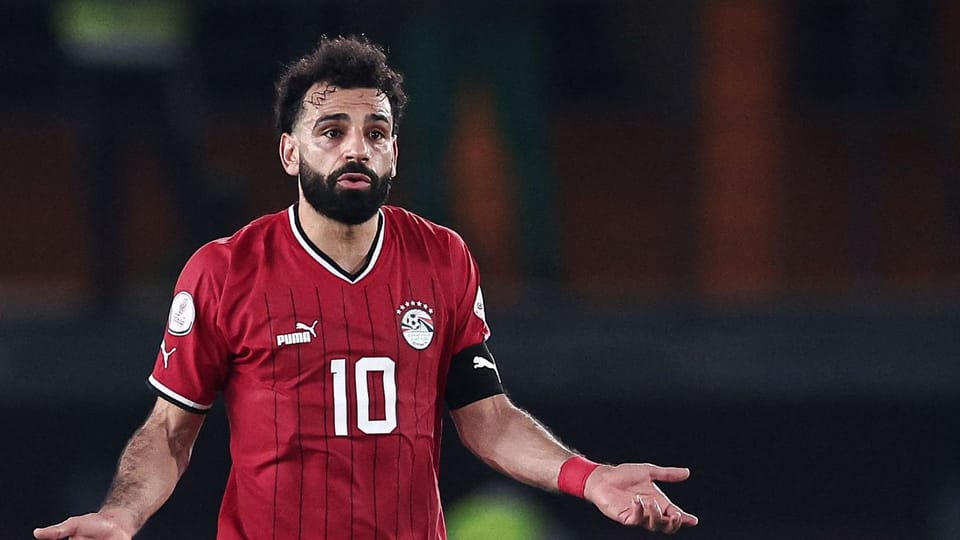
In Egypt he is a national hero. In Liverpool he is a player.
The two framings produce two different men.
The Egyptian press cannot afford to criticise Salah. He is too significant. He is the most successful Egyptian footballer in history. He is, in a real sense, the country's most visible cultural export. When he scores, Egypt celebrates. When he misses, the Egyptian press has nothing to say that would be politically tolerable.
The Liverpool press has no such constraint. They can write that he was poor against Brighton. They can write that he should have squared the ball. They can debate whether he is past his peak. The relationship is purely football.
The Egyptian press's deference produces a Salah who is mythological, smooth, beyond critique. The Liverpool press's distance produces a Salah who is brilliant but evaluable, capable of being out of form, capable of being substituted.
Both Salahs exist. Both are true. But the Egyptian framing is the more politically loaded, because it cannot allow him to be ordinary. Anything that makes him ordinary undermines what he represents.
This is what happens when a footballer becomes a national symbol. The football coverage stops being football coverage. It becomes part of a larger negotiation about identity, success, and visibility. The Liverpool press treats him better as a footballer. The Egyptian press treats him better as a man.
He needs both.