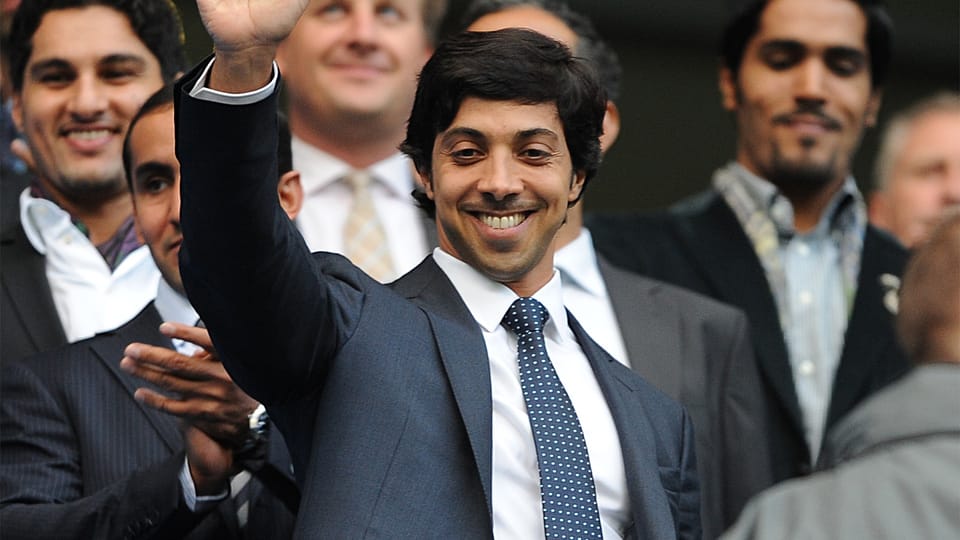
Trace the timeline. The first major Gulf investment in European football was not 2021. It was 2008, when Abu Dhabi bought Manchester City. It was 2011, when Qatar took control of PSG. It was 2013, when Qatar Airways signed with Barcelona.
By the time Newcastle was sold to the Saudi PIF in 2021, the playbook was thirteen years old.
The European press reacted to 2021 as if it were unprecedented. This says less about Gulf strategy than about the press's institutional inability to track patterns across more than a single news cycle.
Gulf states had multiple reasons to invest in football, all of them rational. Soft power, tourism, geopolitical legitimacy, sportswashing, audience expansion in Asia and Africa, domestic prestige, hedging against oil dependence. The investment was not a whim. It was a strategy executed by states with patience that exceeds any club ownership in Europe.
The football itself was always going to follow the money. The question was never whether but when. The Saudi entry into the player market in 2023 was the moment the strategy went visible. It was not the moment it began.
If you want to understand the next decade of football, do not focus on individual signings. Focus on the consortia. Focus on the league restructuring. Focus on the broadcast deals. The story is in those documents, and those documents are being written quietly while the European press argues about whether Cristiano was wise to leave.