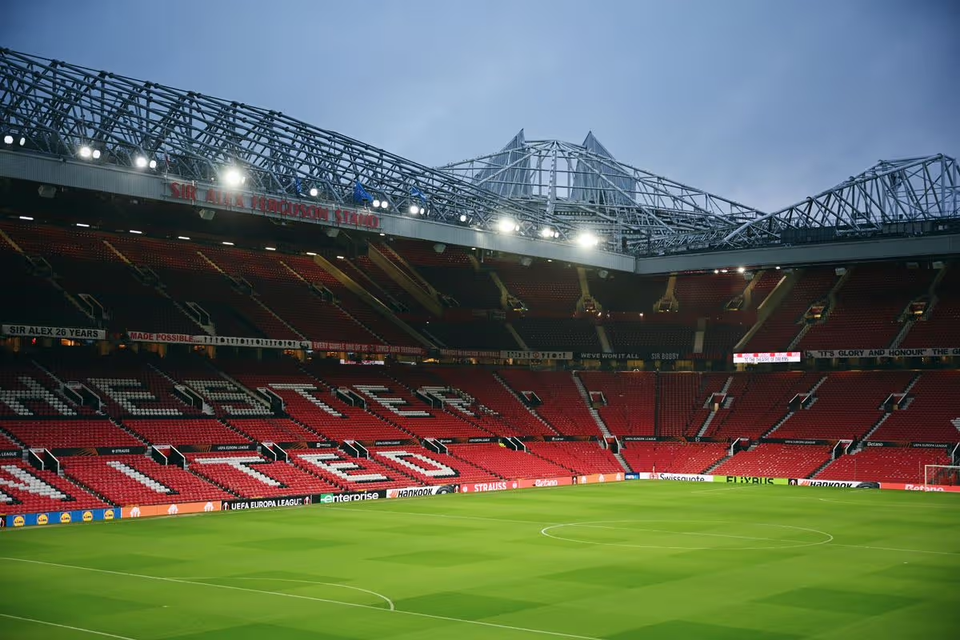
The amount of editorial attention dedicated to Manchester United's decline is, by any global standard, absurd.
A football club has been mediocre for ten years. It has had multiple managers. It has spent enormous sums. It has not won the league. This is, in football terms, an ordinary story. Many clubs go through periods like this.
What is not ordinary is the international media coverage. Manchester United's struggles are global news. The hiring of every new manager is treated as world-historic. The firing is treated as a referendum on football itself. Daily transfer speculation is produced for an audience that has no direct relationship to the club.
This is not because the football is interesting. It is because the brand reaches everywhere. The press treats the brand as the news, even when the football is mediocre. The result is a distortion. Other clubs with more interesting football get less attention. Other leagues get framed as secondary to whatever is happening at Old Trafford this week.
The North African press knows this. The South American press knows this. The Asian press knows this. The English-speaking centre of the football industry treats Manchester United's mid-table existence as inherently significant, and the rest of the world, distributing the same content, has to act as if it is.
It is not. It has not been for years. The cycle will break when the central press stops finding the decline narratively useful. That has not happened yet.