The European press is calling it embarrassing. The North African press is calling it a calculated protest. The Senegalese press is calling it a defense of the players' dignity. All three are reading the same event and producing three different stories.
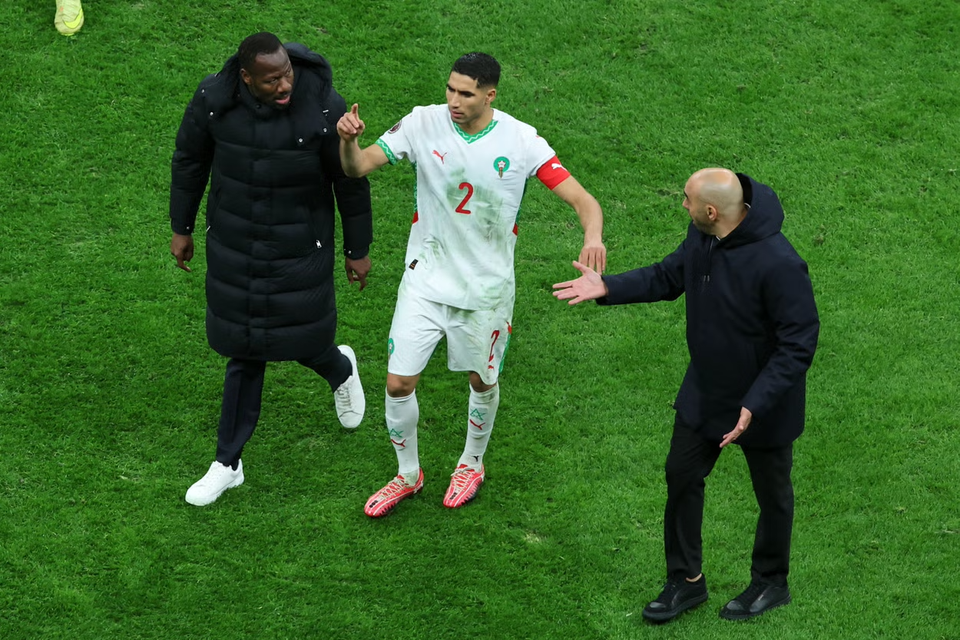
What happened in stoppage time was this. Senegal scored a goal that was disallowed. The decision was contestable. The referee, after VAR review, awarded Morocco a penalty for a separate incident on a corner. The Senegal players believed the second decision was unjust. Their coach pulled them off the pitch. They stayed off for fourteen minutes. Sadio Mané convinced them to return. Brahim Díaz missed the resulting penalty. The match continued.
The European framing has been about the walk-off itself, treating it as an unacceptable breach of the laws of the game. There is a defensible argument for this position. There is also a defensible argument that referees and VAR systems have produced a series of incoherent decisions in major matches over the past three years, and that players have effectively no recourse against them.
What I find more interesting is what the walk-off revealed about who African players believe they can appeal to. The answer is not the referee. The answer is not the federation. The answer is not the press. The answer was each other. The team made a collective decision to protect itself from what it perceived as injustice, with no expectation that any institutional process would help.
That is a story about African football's relationship to its own governing bodies. CAF will discipline both teams. CAF will probably uphold the result. The structural relationship between African players and African football institutions will not change.
The Senegal players will be punished. The trophy will stay in Dakar. The conversation will move on. But what happened in Rabat will be cited in arguments about player rights for the next decade. The walk-off was a protest. The protest was effective in the only way it could be. It produced fourteen minutes during which the world had to watch and decide what it thought.