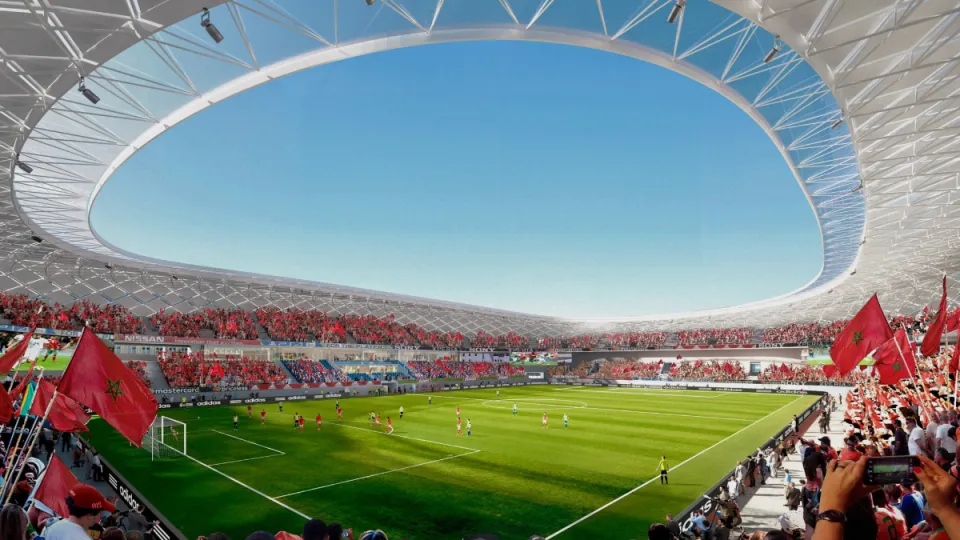
A month from now, Morocco will host the Africa Cup of Nations in Morocco's first major continental tournament since 1988. The framing in the European press has already started, and the framing is already wrong.
The dominant narrative will be Morocco's hosting story. The infrastructure, the stadiums, the World Cup ambitions, the diaspora arriving, the Atlas Lions playing for a country in love with them. All of this will be true. None of it will be the actual story.
The actual story is what this tournament represents for African football's relationship with itself. AFCON has been moving steadily toward higher technical and tactical quality for fifteen years. The 2025 edition will showcase players who are now first-choice starters at Real Madrid, PSG, Arsenal, Inter, Liverpool, and Atletico. The level on the pitch will exceed previous editions by a wider margin than the press will be prepared to acknowledge.
The political dimensions are also more layered than the press will handle. Morocco hosts a tournament across cities where Algeria once played qualifiers. The diplomatic tension between Morocco and Algeria is not a footnote. It will shape what the tournament feels like for North African viewers in ways that the European broadcasters will not communicate.
The tournament happens over the Christmas period, which is itself a story. Clubs will not be happy. Players will arrive with mixed conditioning. The competition will run into early January, then players will return to clubs in the middle of the season. The European press will frame this as a problem for the clubs. The actual question is whether AFCON should accommodate the European calendar at all. The answer has been the same for thirty years. AFCON is not a European tournament. It does not have to.
If Morocco wins, the story is a host nation finally winning a tournament fifty years after they last won one. If Morocco loses, the story is harder. We will find out in January.